The Intricate Intersection of Pop Art and Classicism: Michael Andrew Law’s “Untitled (Marilyn Monroe)”
In the realm of contemporary art, few figures have managed to blend classical painting techniques and pop art elements with the finesse of Michael Andrew Law. His 2016 series, a tribute to pop art maestro Roy Lichtenstein, is a testament to his artistic prowess, and among its offerings, one painting stands out: the “Untitled (Marilyn Monroe)”—a 155x155cm oil and acrylic on linen canvas masterpiece.

This painting presents an iconic image of Marilyn Monroe from 1953, draped in a stunning golden lamé dress that glimmers with an almost lifelike realism. The choice of subject matter is not accidental; Monroe, a legendary figure in pop culture, embodies the essence of the pop art movement—mass culture, celebrity, and vibrant, instantly recognizable imagery.
Law’s homage to Lichtenstein is evident in his liberal use of Ben-Day dots, a printing technique commonly used in comic books and closely associated with Lichtenstein’s work. These dots, applied meticulously across the canvas, create an engaging contrast with the painstakingly detailed, realistically rendered image of Monroe. The result is a captivating fusion of the lighthearted, mass-produced aesthetic of pop art and the depth and precision of classic realism.
The influence of Lichtenstein’s “Imperfect” and “Reflections” series is also discernible in Law’s painting. Like Lichtenstein, Law challenges traditional notions of perfection by embracing and highlighting the “imperfections” inherent in the Ben-Day dot technique, such as uneven distributions and color variations. Additionally, similar to the “Reflections” series, Law’s work explores the concept of reflection—not in a literal sense, but in how Monroe’s image, reproduced countless times in popular culture, reflects society’s obsession with celebrity and beauty.
The cultural significance of Marilyn Monroe as the subject matter cannot be overstated. Monroe is a symbol of Hollywood’s Golden Age, an era that was not just about films but also about creating larger-than-life personas and images of glamour and sophistication. Monroe’s image has been reproduced in countless forms, making her a perfect subject for pop art, which often comments on mass culture and consumerism.
On another level, the painting is an exploration of Monroe’s lasting influence on pop culture. Even today, decades after her death, Monroe remains a potent symbol of beauty, glamour, and tragedy—her life and death often seen as a reflection of the darker side of fame and stardom. Law’s painting, in capturing Monroe’s beauty and allure, also invites viewers to reflect on these aspects of her life.
In the contemporary art scene, Law’s “Untitled (Marilyn Monroe)” has been widely received as a successful blend of classic and pop art elements. It’s a bold statement that shows how these seemingly disparate styles can be merged to create a new aesthetic perspective. The painting, much like Monroe herself, is a testament to the enduring power of images and the ways they can be reinterpreted through different artistic lenses.
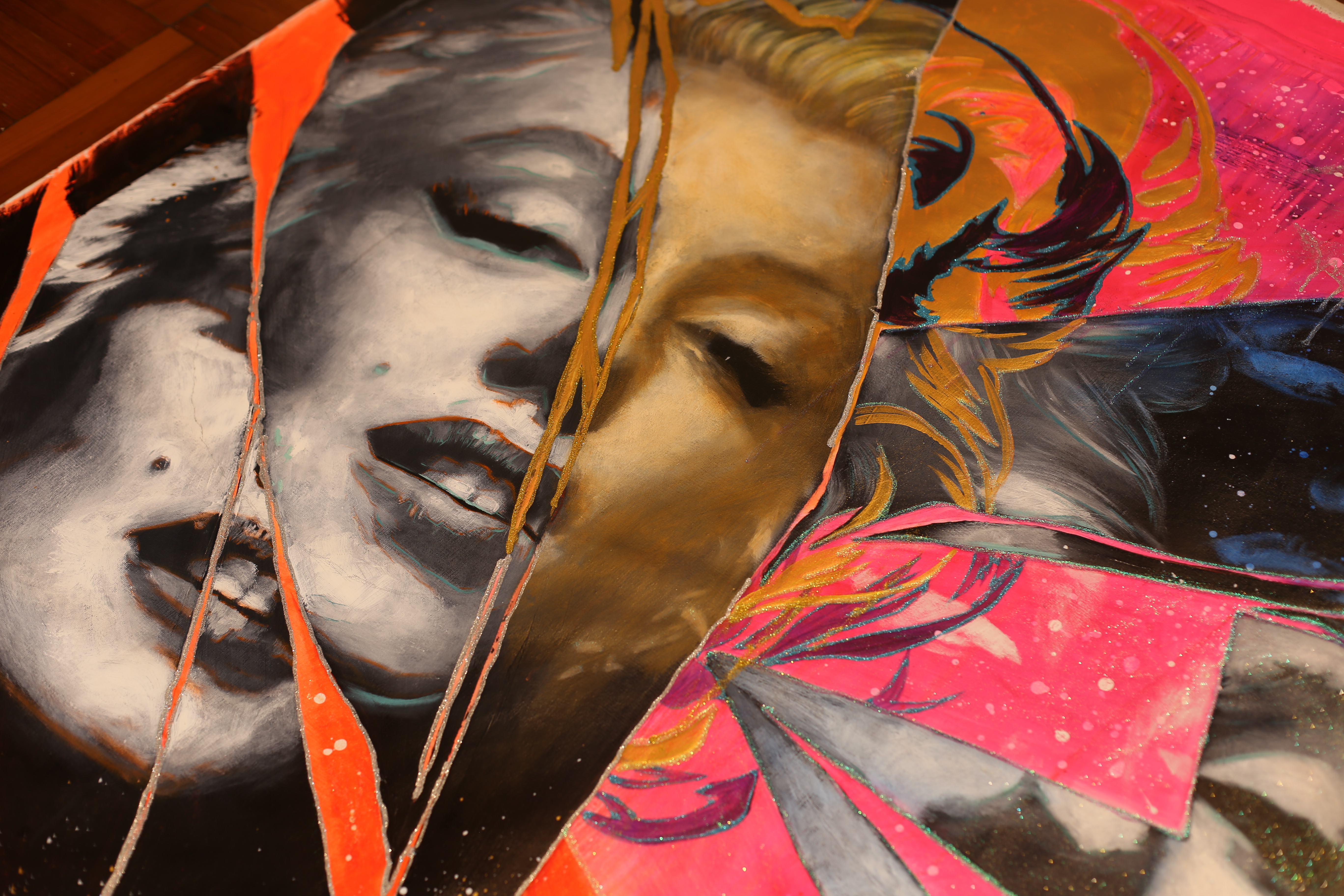
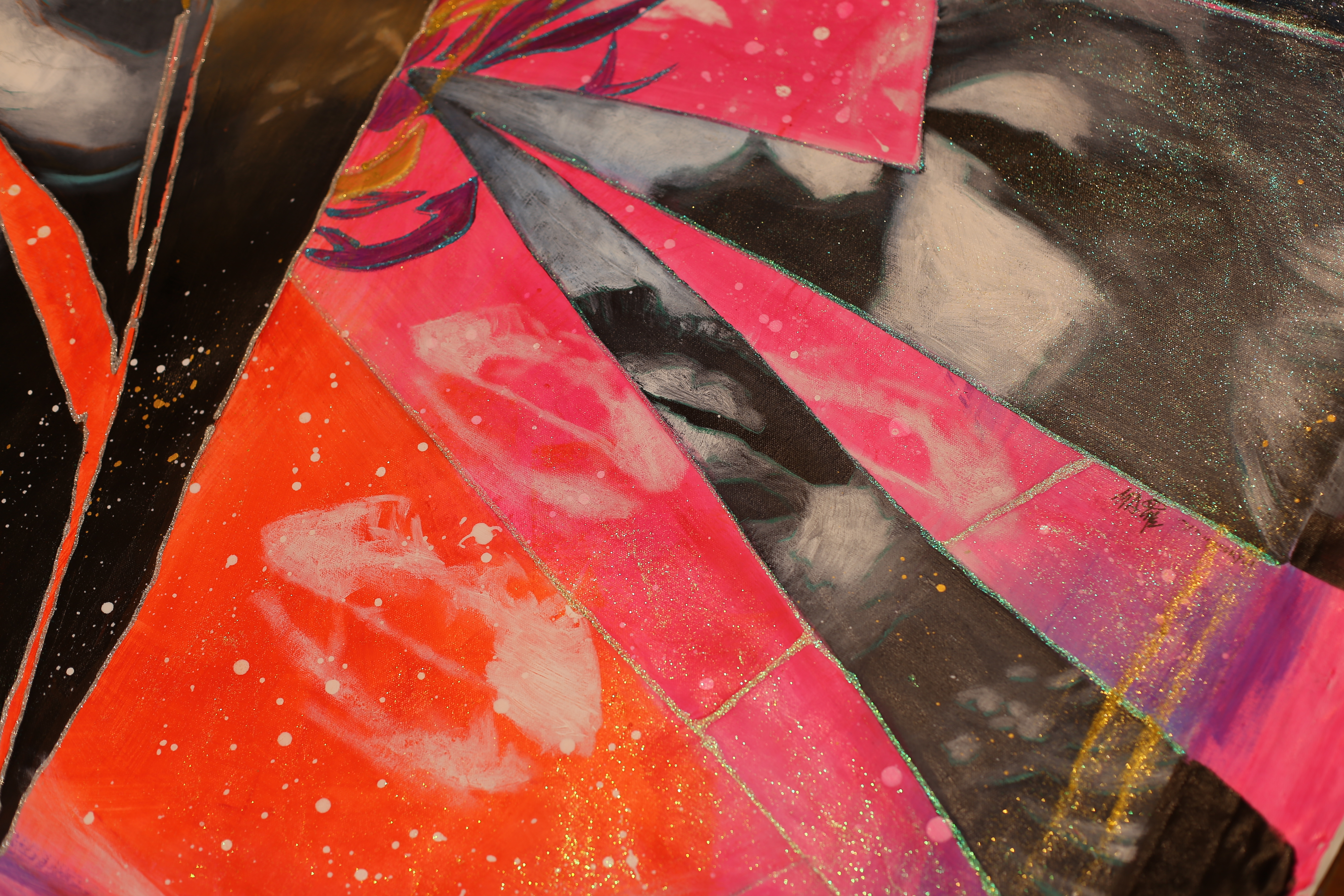

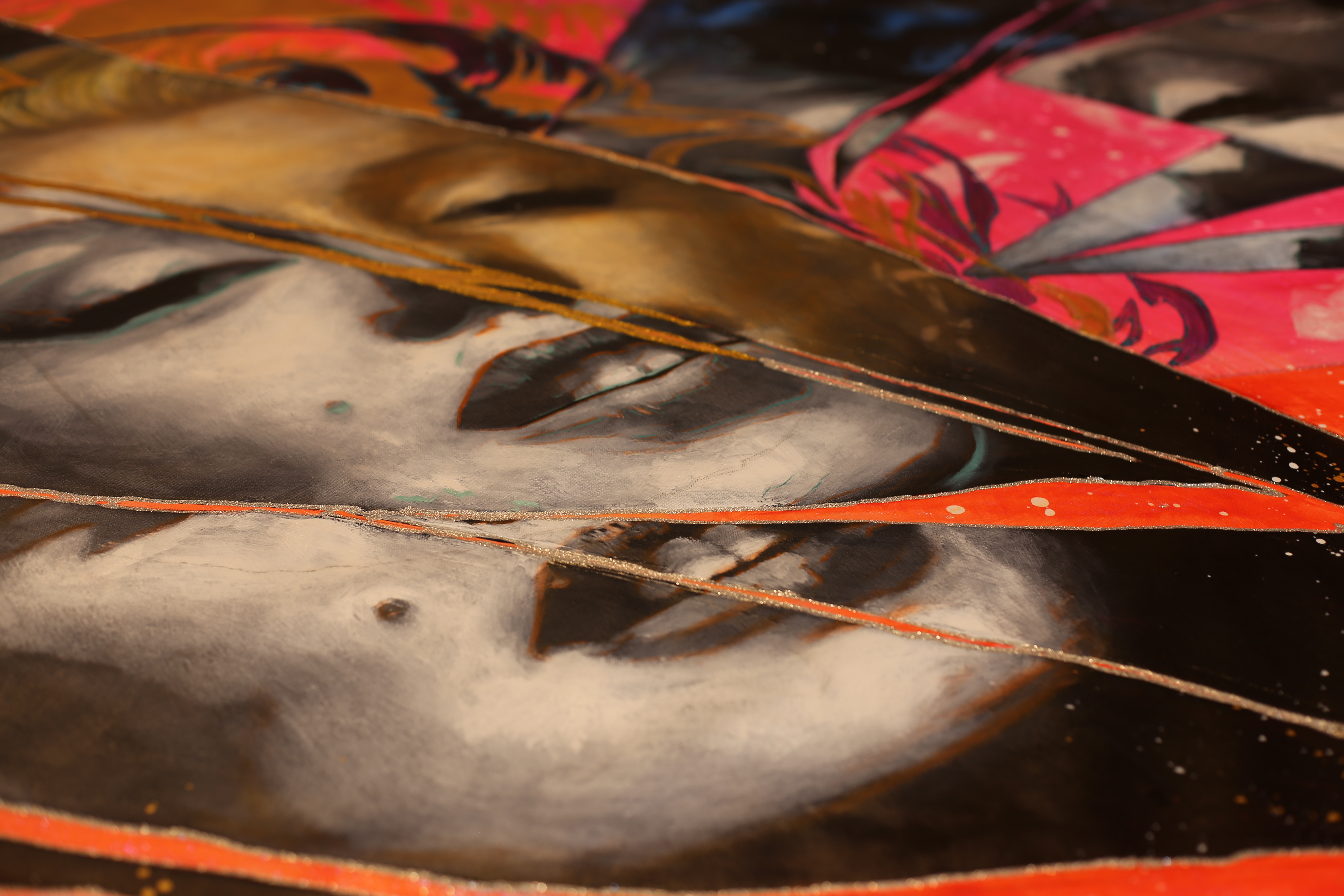
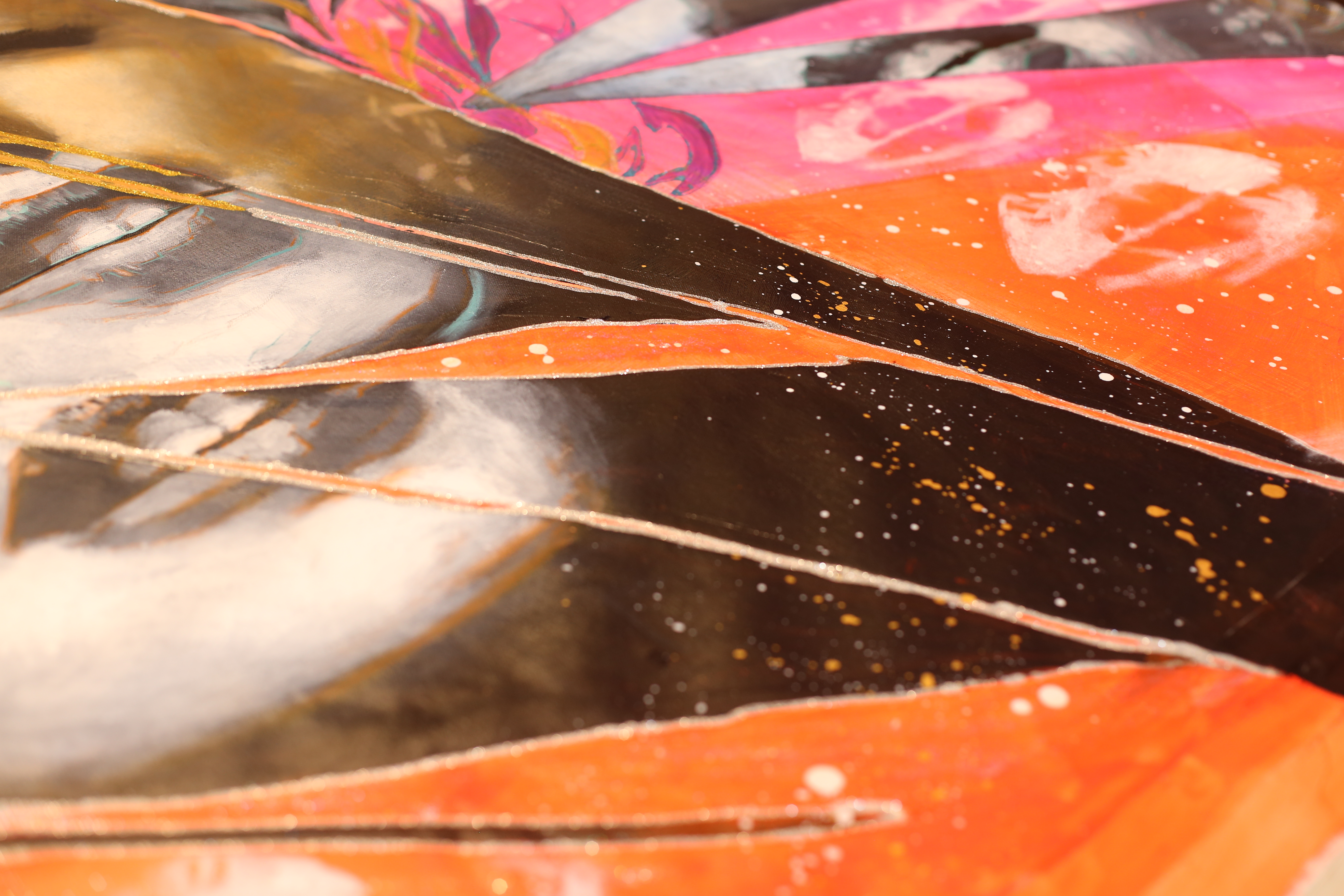
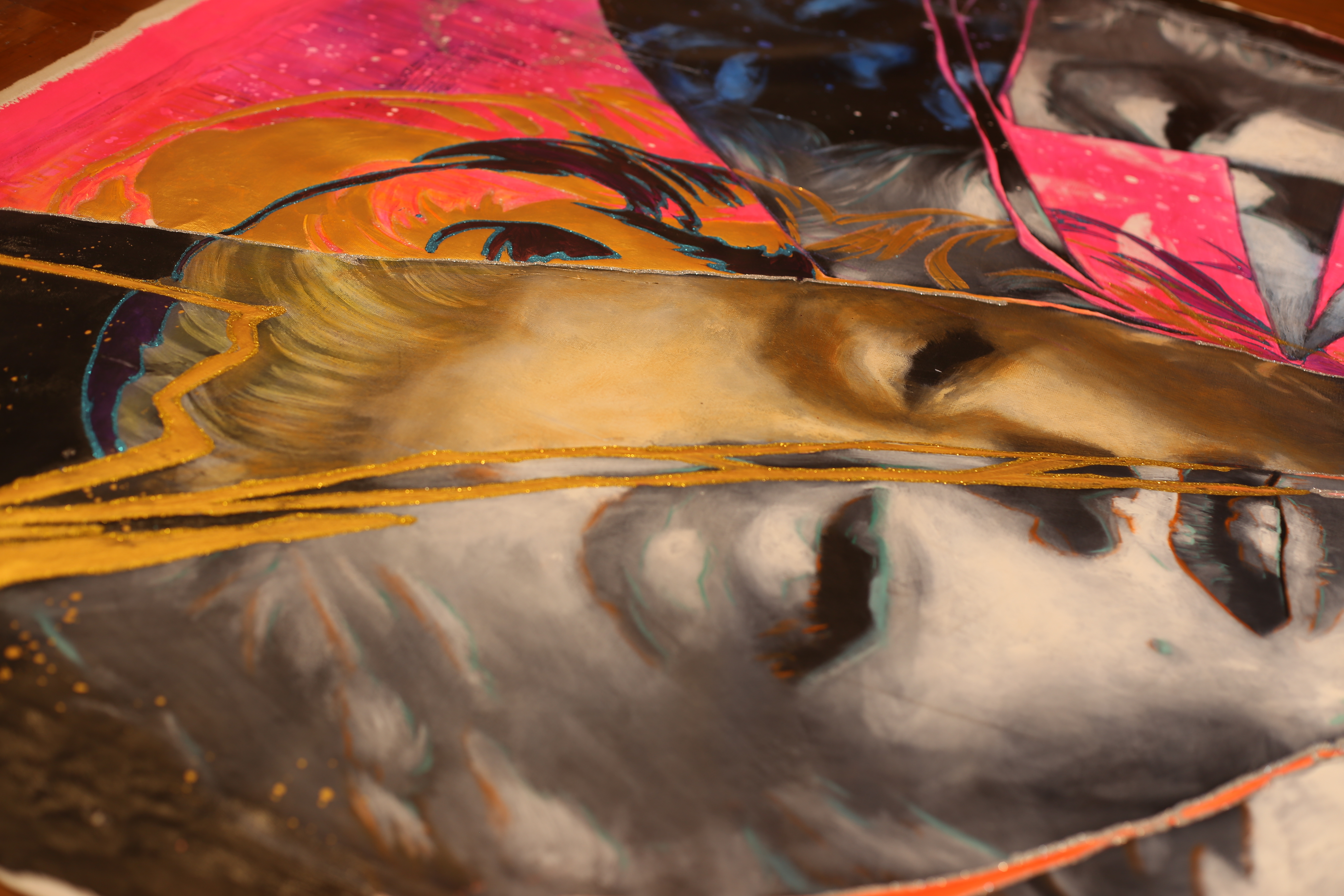
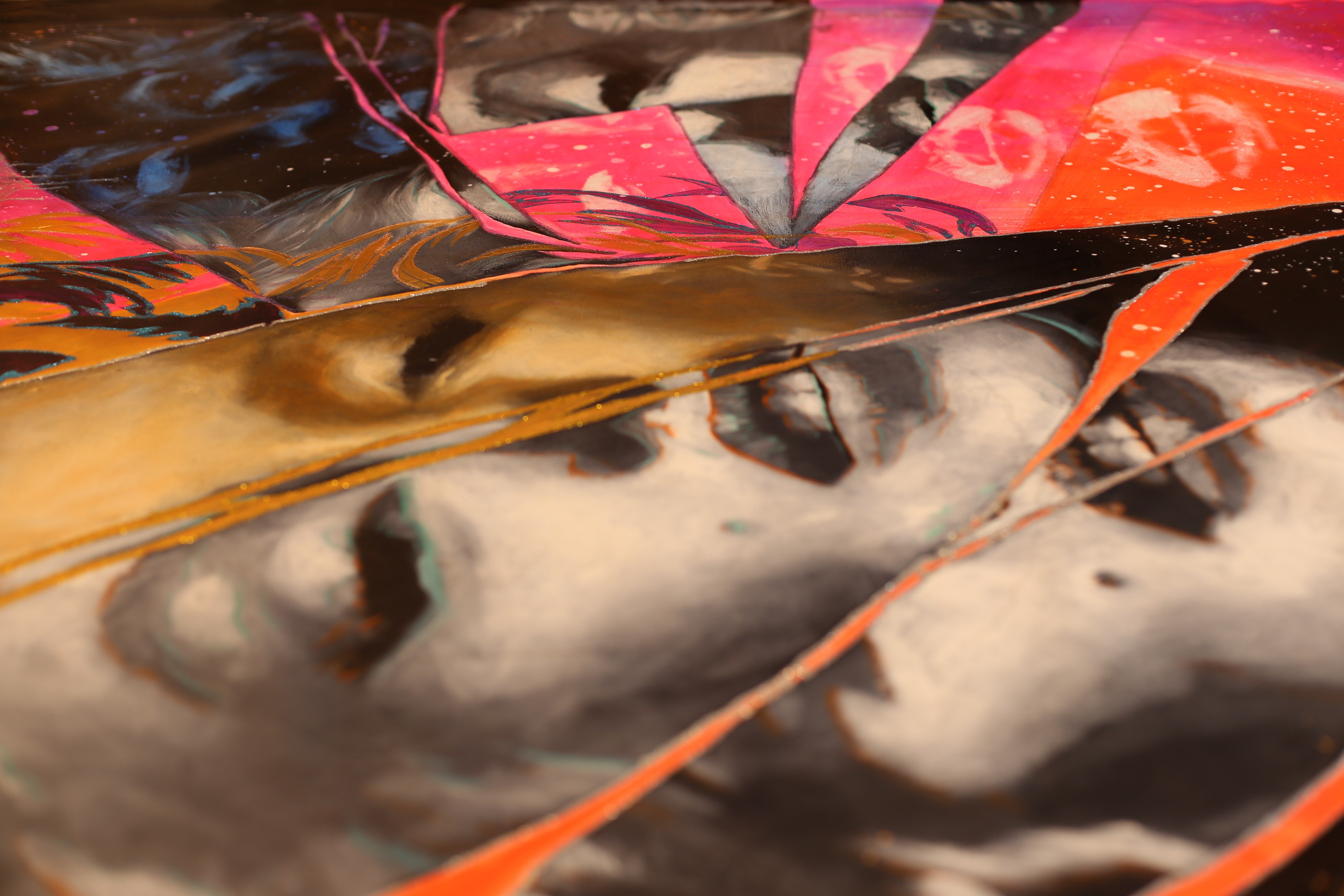
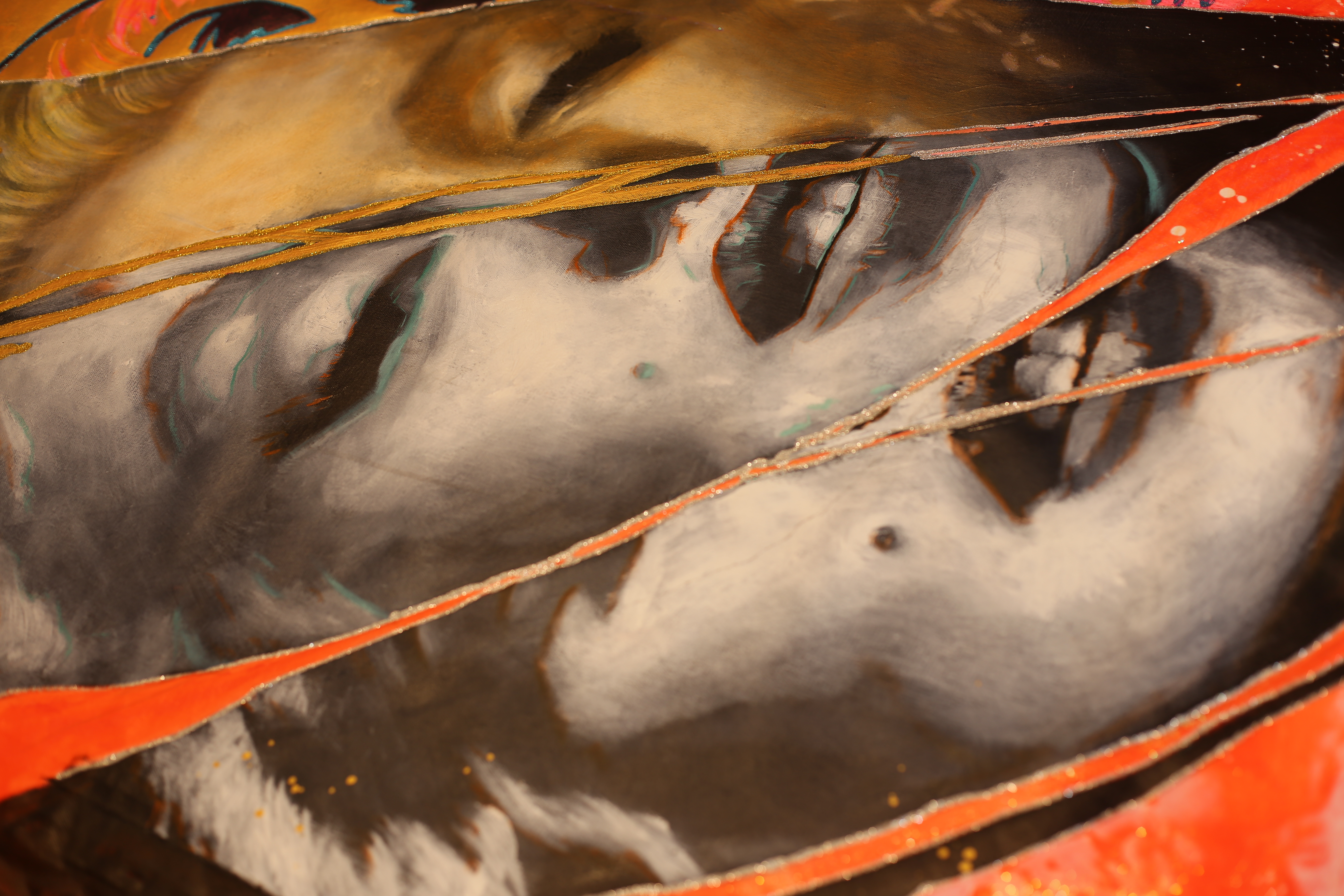
In the end, Michael Andrew Law’s “Untitled (Marilyn Monroe)” serves as a bridge between the world of classical art and contemporary pop culture, demonstrating that the two can coexist and even enhance each other. It’s a piece that encourages viewers to reflect on the nature of art, celebrity, and the ever-evolving standards of beauty.
 炮台山畫班 Nature Art Workshop 繪畫班 | 天后畫班